
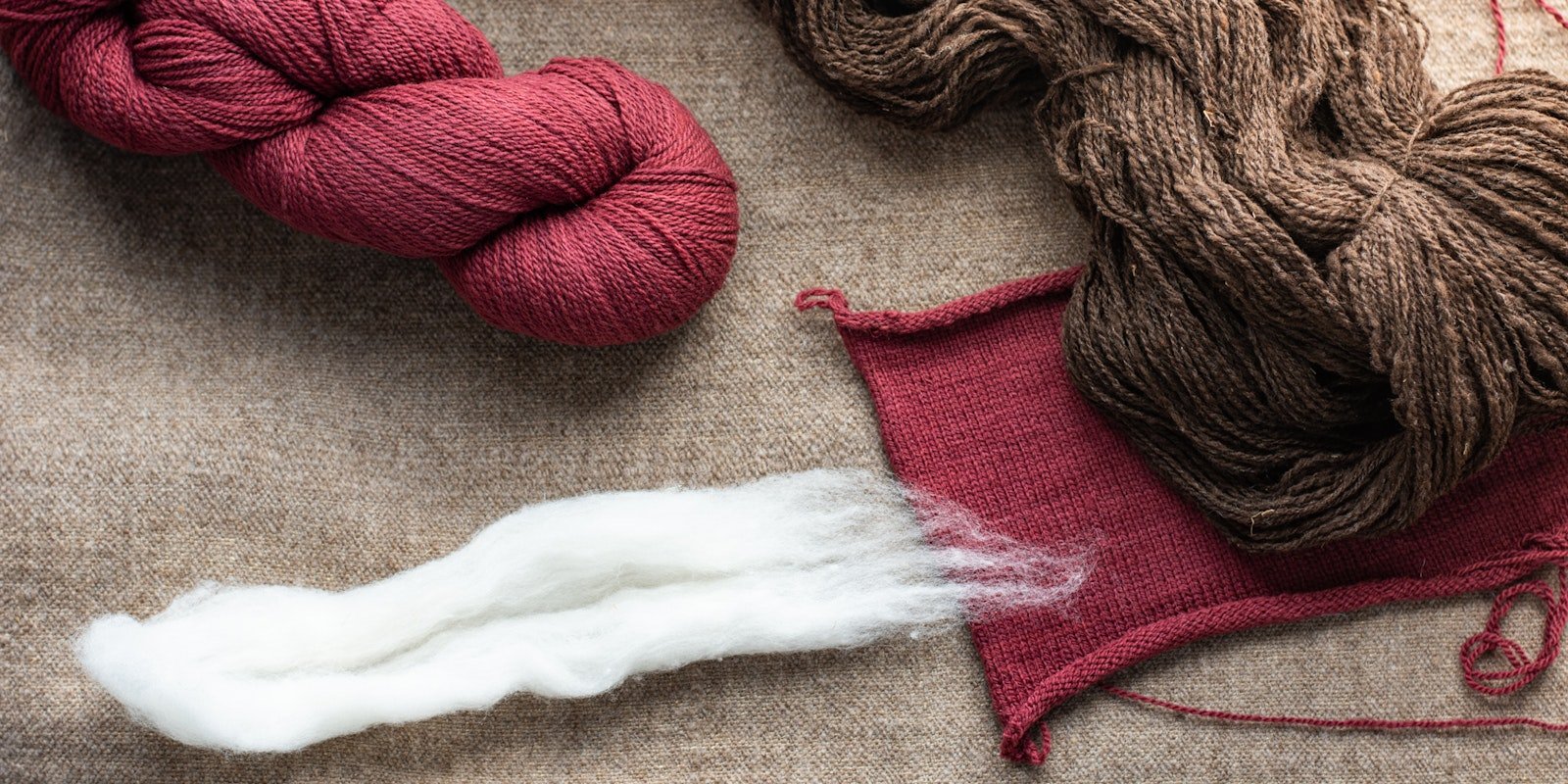
When I first stumbled across Cormo wool at the Sincere Sheep booth at a fiber festival, I didn’t know anything about the breed, breed-specific yarn, or natural dyeing. I was just lured in by lush color and soft, squishy yarn. I left with unspun Cormo roving and a sweater quantity of Cormo Fingering. I tucked that yarn and fiber in my stash for several years, and it was eventually joined by more Cormo fiber from the Española Valley Fiber Arts Center in New Mexico, and even some natural grays and browns from Dresow Family Farm in Minnesota.
As these fibers accumulated, so did my curiosity and love for this special fiber. Read on to discover why Cormo sheep produce such a distinctive fiber—and why you should take a closer look at this lesser-known breed.
1. Origins of Cormo Wool
The name Cormo is a combination of Corriedale and Merino—the two sheep breeds that were used to develop this new breed in 1976. The breed was first developed in Tasmania by crossing Corriedale rams with Saxon Merino ewes. The result was a breed of sheep with large, remarkably consistent fleeces that are a delight for knitters and spinners alike. This is known as a composite breed. As Kate Larson writes in “Blended Breeds: How New Sheep Breeds are Born,”
Handspinners often come across fleeces and fibers that are clearly marked as crossbred. A fleece from what we often call a spinner’s flock might have a half-dozen breeds listed on the label, or it might be as elusive as “Merino X.” These first-generation crosses produce a wide variety of results; some offspring look a lot like one parent, some like the other parent, and some offspring will be a more equal blend of the two parents.
Billy the Crossbred Ram is a first-generation cross between Border Leicester and Cormo. Billy has a unique fleece that blends the wool character of his parents and makes handsome lace.
For example, Billy the Crossbred had Border Leicester and Cormo parents. Billy is a nice mix of the two breeds—shorter and finer than Border Leicester, but much more lustrous than Cormo. However, Billy could have had siblings that ranged from very Border Leicester to very Cormo-like. They could have had different fleece characters, the sheep could have grown and matured at different rates, and they might even have had very different personalities. All this variation can make large-flock management difficult.
Now-familiar sheep breeds such as Corriedale, Columbia, Cormo, and Targhee were all developed like Billy—by crossing finewool and longwool sheep. To reduce the variation within a flock, a crossbred like Billy would have been mated with similar crossbred ewes. Their offspring would go on in a similar fashion until a breed is established: two sheep that look the same have lambs that look like their parents. During this process, something new and interesting is formed. Based on the shepherd or researcher’s choices, certain characteristics are saved, while others might be lost.
 According to the American Cormo Sheep Association, “Cormo wool is fast becoming one of the best wool producing breeds in the sheep industry today.” Photos courtesy of Mindful Folk Farm (left) and Dresow Family Farm (right).
2. Cormo Is Colorful
While most Cormo fleece is white, it also comes in a range of natural colors, often found in smaller flocks that have introduced additional genetics. I’m always enchanted by natural fleece colors, and couldn’t resist some rose gray Cormo (and later brown) from Dresow Family Farm.
Cormo wool has just a little bit of luster—an almost silky quality that makes wool reflect light. It takes dye exceptionally well. I was drawn to the colorway called College Ring, a deep burgundy red, but you’ll also find an incredible range of forty naturally-dyed colors (plus an undyed option) from Sincere Sheep!
Click on any photo to get a closer look.
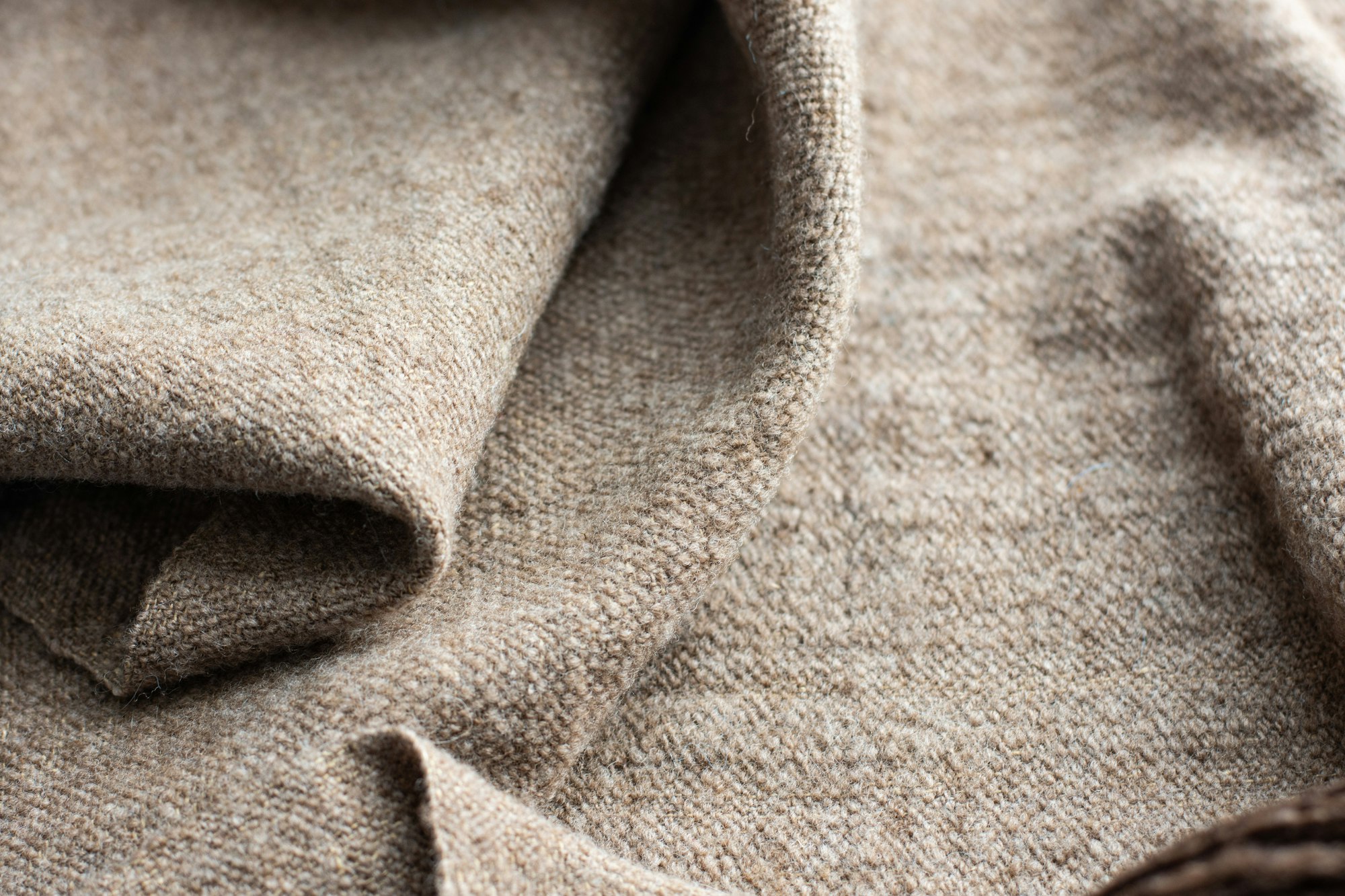
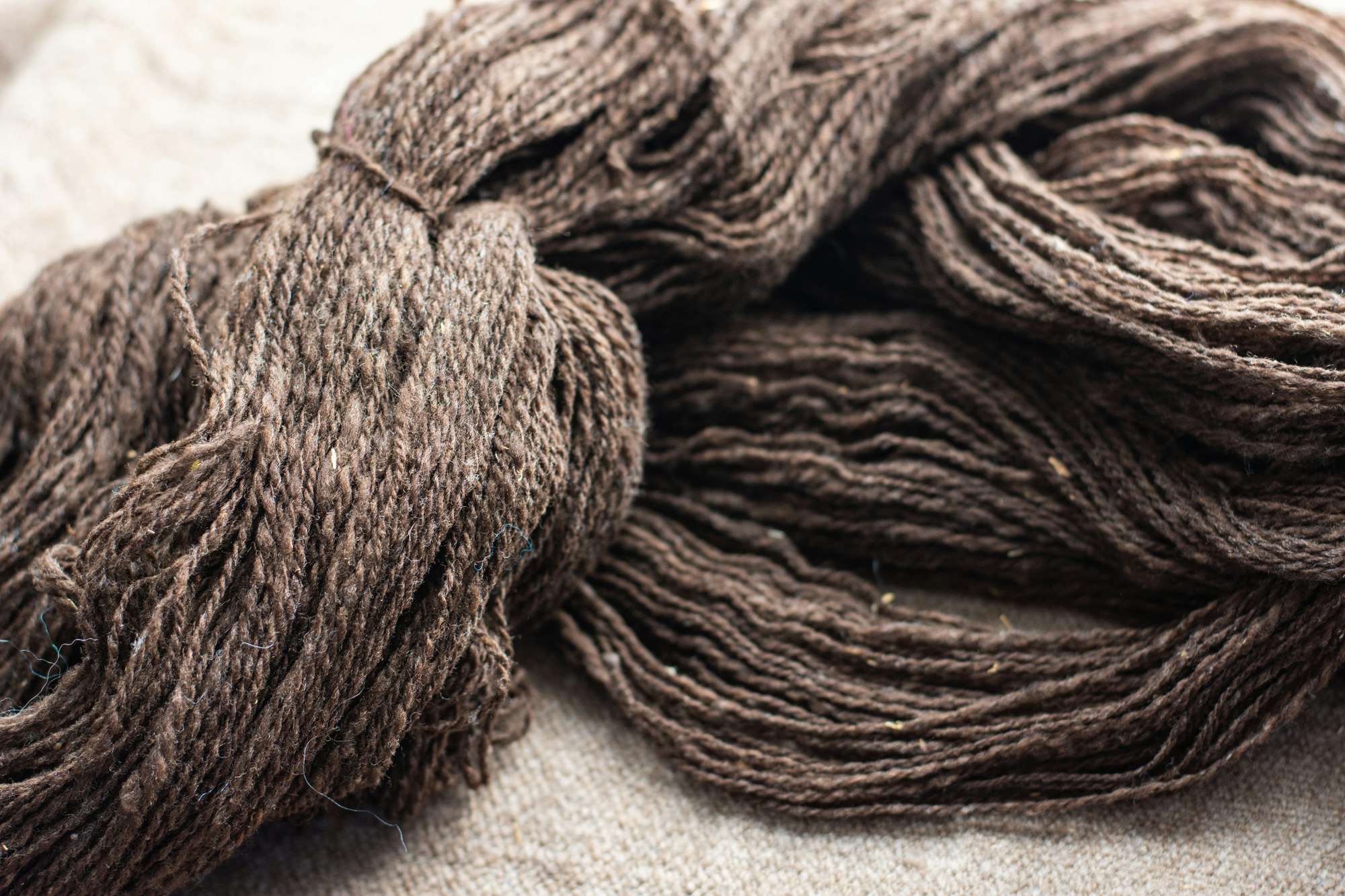
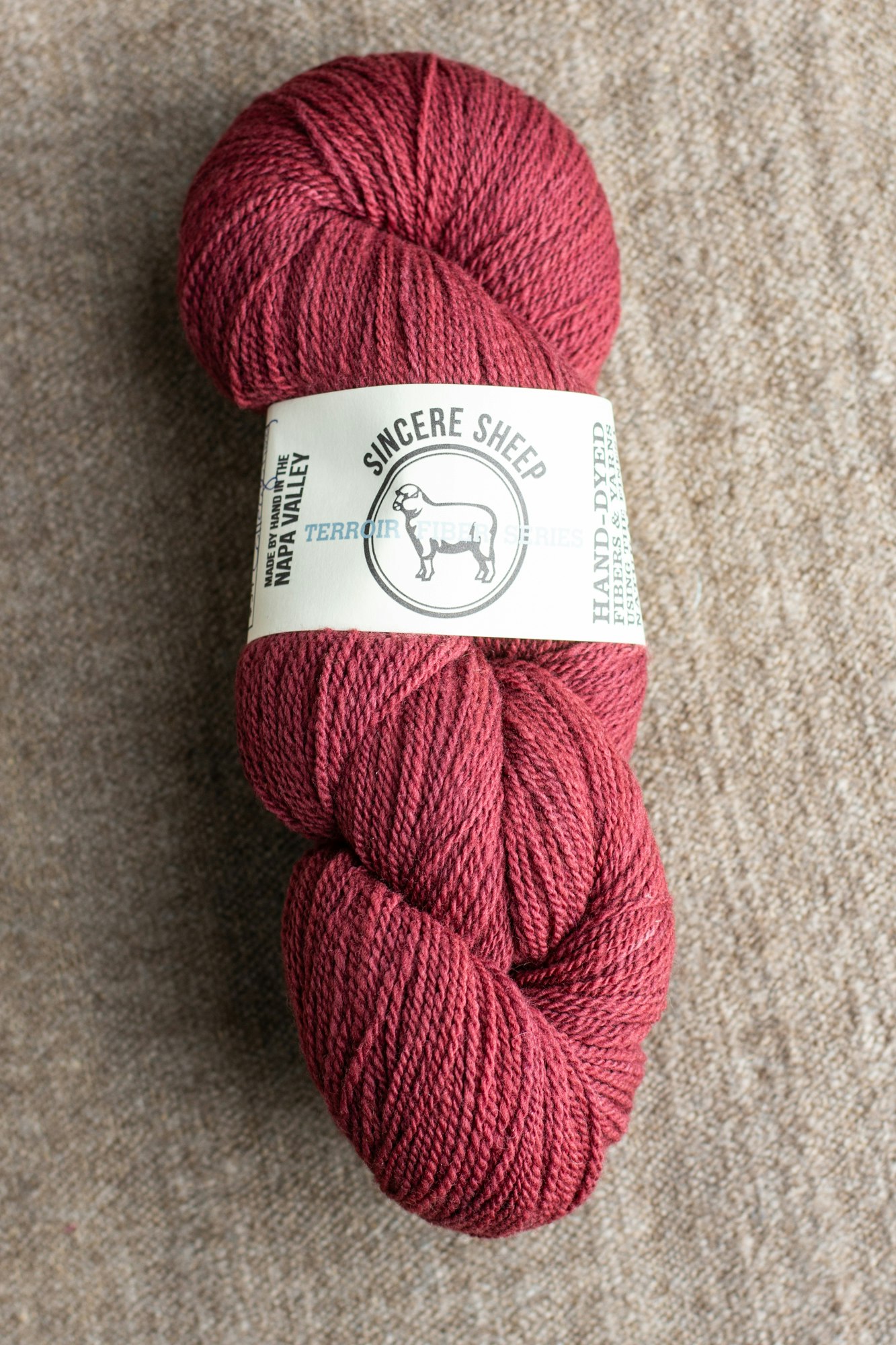
From left: Pamela wove fabric with rose gray Cormo wool, a skein of Pamela's handspun brown Cormo, and a skein of dyed Cormo wool from Sincere Sheep.
3. Cormo is Next-to-Skin-Soft—With a Touch More Durability
Cormo wool is special because it has all the next-to-skin softness of Merino wool— between 17 and 23 microns—with a slightly longer staple length and a bit of luster, both somewhat unusual among fine wools. The longer staple length helps with overall durability, something I’m always looking for in millspun yarn.
Bonus: Great Stitch Definition
Often, super-soft fibers like Merino and cashmere are fantastic for soft, next-to-skin wear, but aren’t great for stitch definition. Cables, lace, and textured stitches all tend to blur a bit because the soft fibers just want to squish together in a soft puddle. That’s not necessarily a bad thing—a bit of blurred texture gives a dreamy look—but if you’re looking for crisp, clear texture and softness, look no further than Cormo! Sincere Sheep’s Cormo Fingering would look and feel great with the crisp texture of the Turnout Shawl by Seth Richardson. Or, go for drape and classic lace stitches with a modern colorful twist with the Whisper Wrap by Lena Skvagerson.
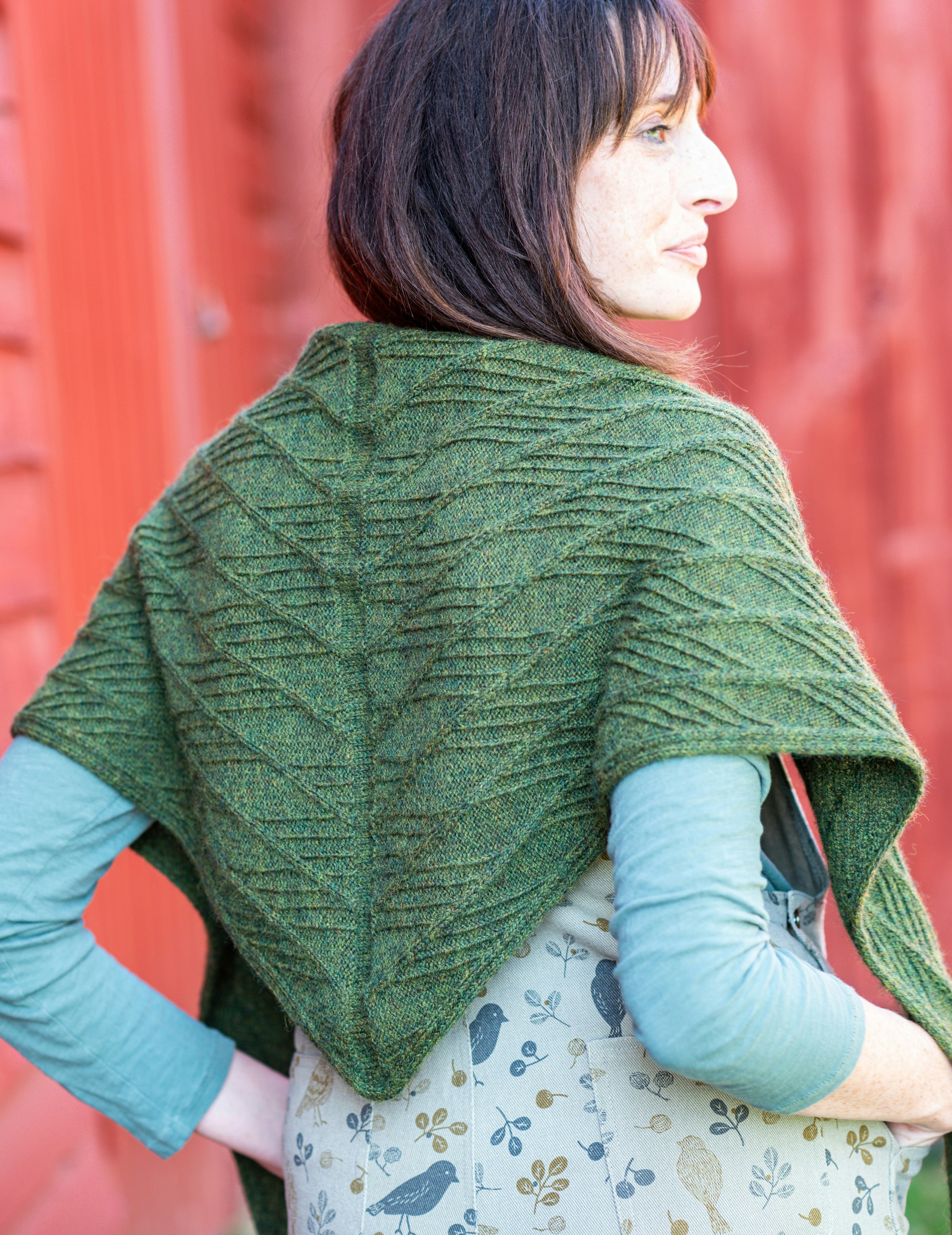
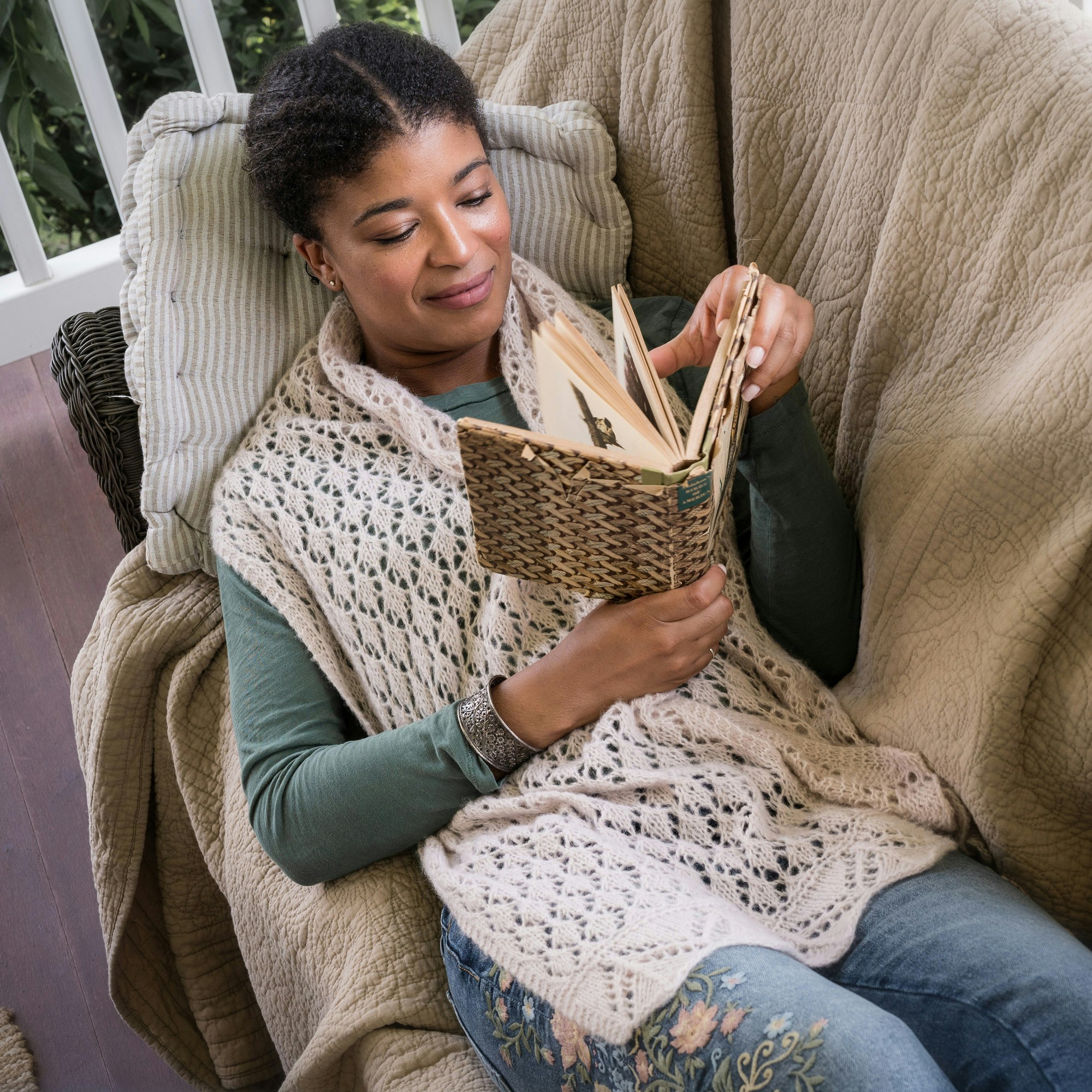
The Turnout Shawl and Whisper Wrap will both showcase the crisp stitch definition of Sincere Sheep's Cormo Fingering yarn. Photos by Gale Zucker